The Woman the Schools Wouldn't Take In Who Taught the Doctors Who Built Modern Medicine
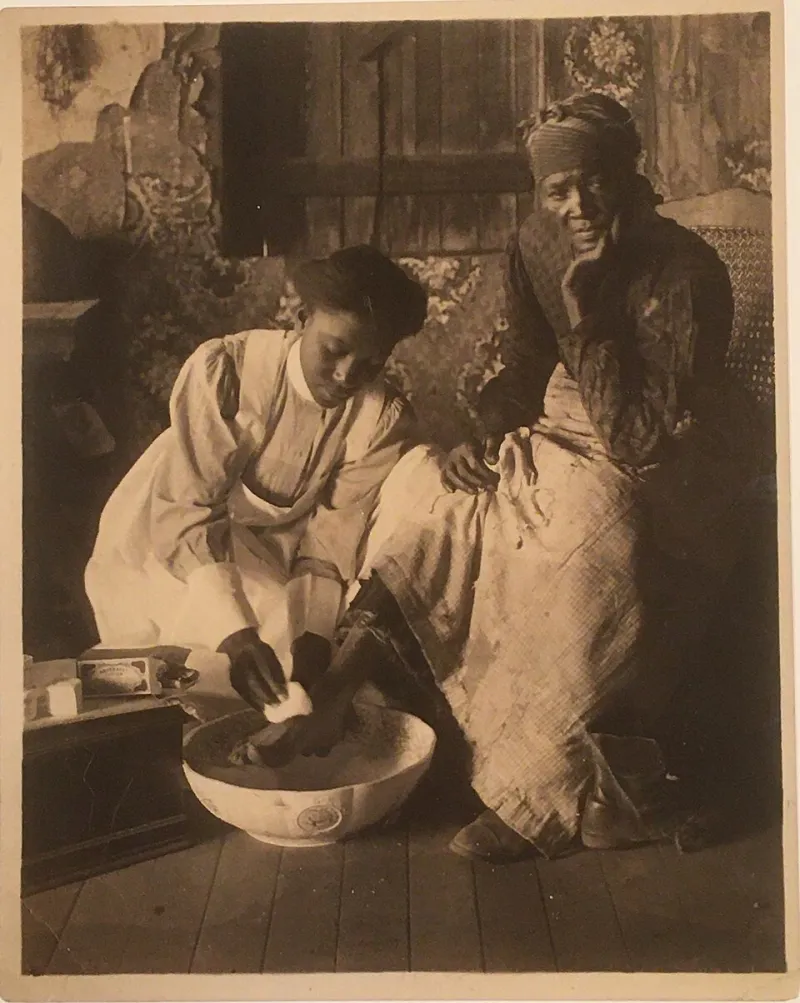
Photo: RSapirstein, CC BY-SA 4.0, via Wikimedia Commons
The Woman the Schools Wouldn't Take In Who Taught the Doctors Who Built Modern Medicine
There's a version of American medical history that reads cleanly — great universities, landmark studies, celebrated physicians building the science of public health from the ground up. That version is incomplete.
The complete version includes the people who were never allowed through the front door. The nurses and midwives and community health workers who operated in the gaps, who developed methods and protocols and relationships that the official institutions couldn't replicate, and whose contributions were folded quietly into the system that had refused to admit them.
Eunice Rivers Laurie is one of those people. And her story is both remarkable and deeply uncomfortable — which is probably why it took so long to tell.
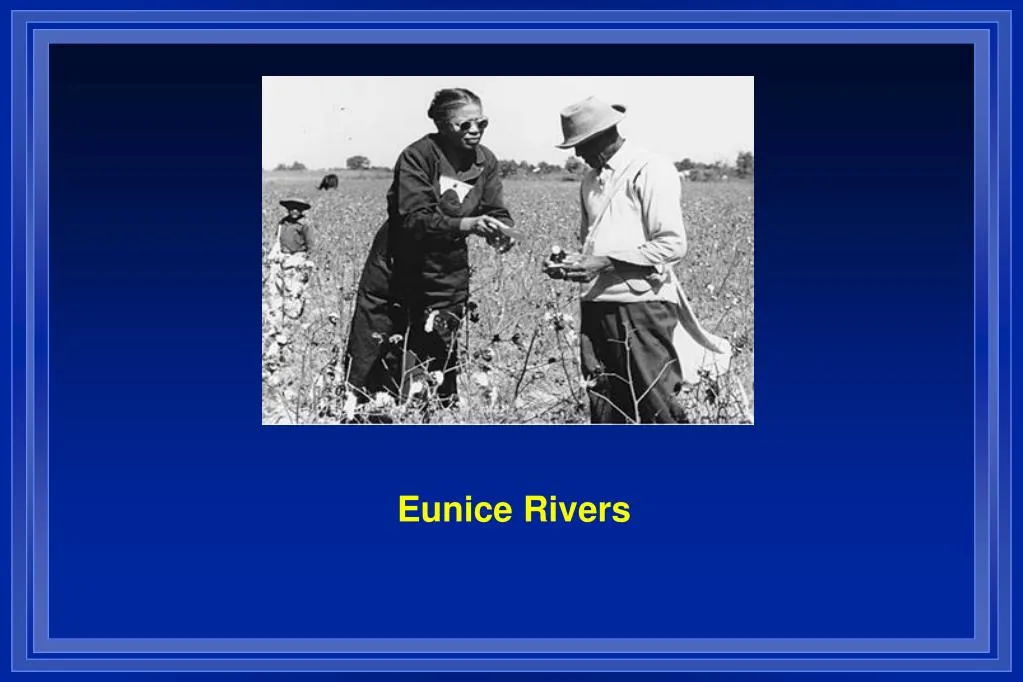 Photo: Eunice Rivers Laurie, via image1.slideserve.com
A Black Nurse in the Jim Crow South
Eunice Rivers was born in 1899 in Fitzgerald, Georgia, the daughter of a sawmill worker who believed, with a conviction that shaped her entire life, that education was the only ladder worth climbing. She graduated from the Tuskegee Institute's nursing program in 1922 — one of the few routes to professional medical training available to Black women in the South at that time — and spent the next several years working in rural Alabama communities where formal medical care was essentially nonexistent.
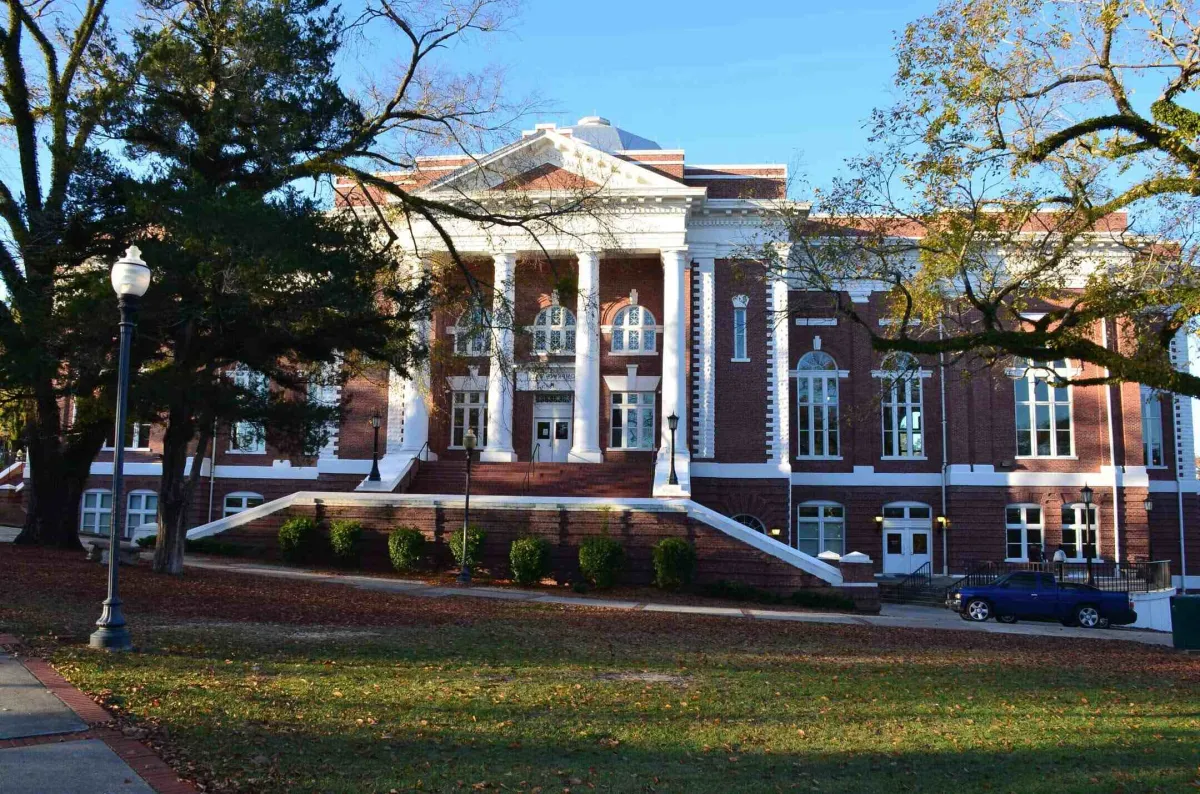 Photo: Tuskegee Institute, via www.touristsecrets.com
What she found there would define everything that came after.
The rural Black communities of Macon County, Alabama, were medically invisible. Physicians rarely came. Hospitals were segregated and distant. The people Eunice worked with had developed their own health practices — a mixture of traditional knowledge, necessity, and improvisation — and they trusted no one who arrived from outside with official credentials and no relationship to the community.
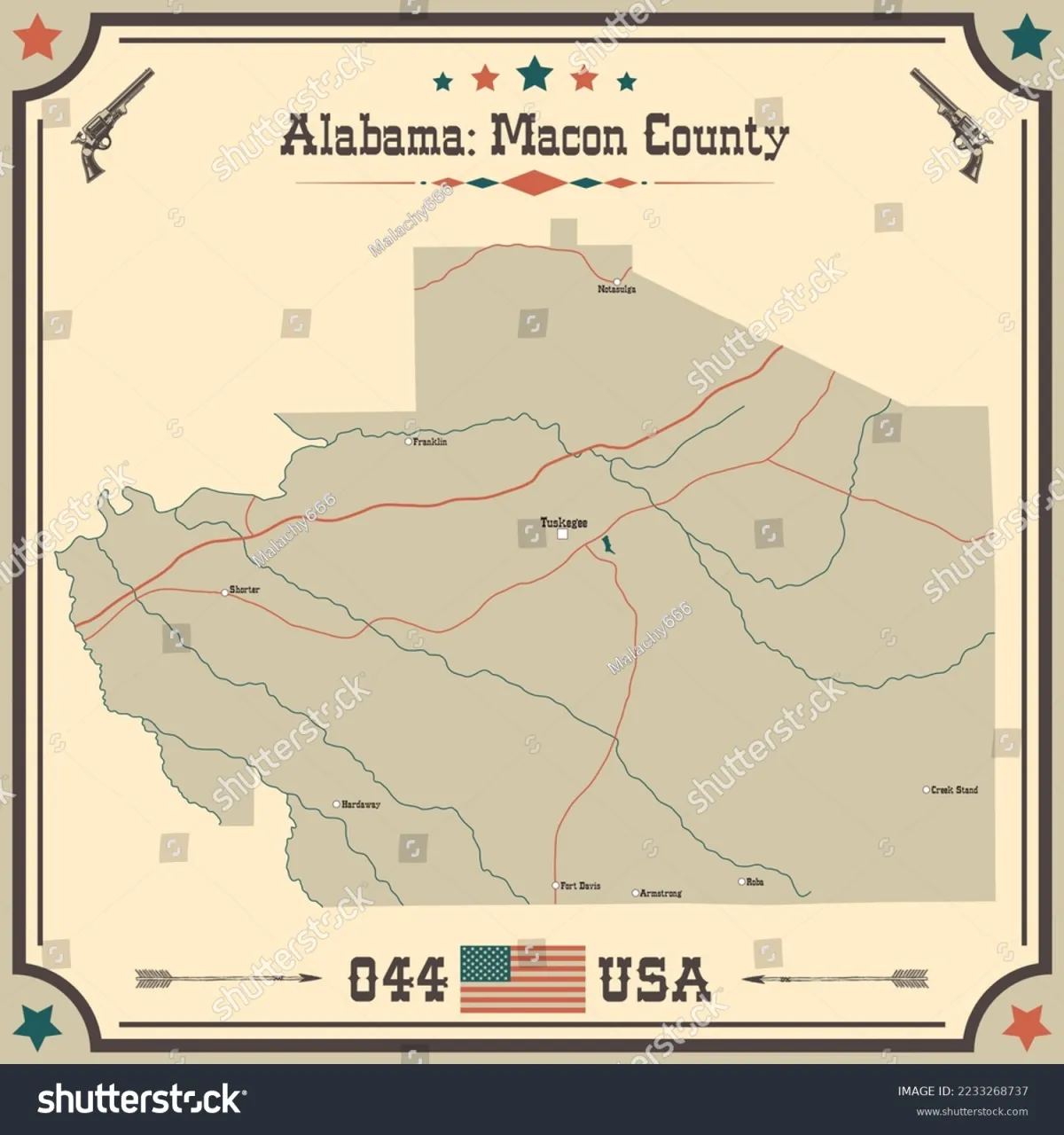 Photo: Macon County, Alabama, via www.shutterstock.com
Eunice was different. She spoke the language, literal and cultural. She knew which families had lost children to what, which men had untreated syphilis they'd never mentioned to a white doctor, which women had been managing chronic conditions for years with whatever was available. She was, in ways that no medical textbook had yet articulated, the community's primary care system.
Building a Method Nobody Had a Name For
In 1932, Eunice was recruited to work on the U.S. Public Health Service's syphilis study in Macon County — a project that would later become one of the most notorious episodes in American medical history, the Tuskegee Syphilis Study, in which Black men with syphilis were observed without treatment for decades. Her role in that study, and the ethical weight of it, is complicated and has been examined extensively elsewhere.
But what's less often discussed is what Eunice was actually doing in those communities for 40 years — and what it produced.
She developed a community health engagement model that was, by any modern standard, decades ahead of its time. She understood that medical compliance — getting people to show up, to follow treatment protocols, to trust the system enough to participate in it — was not a given. It was earned. It was built through relationships, through consistency, through showing up when people were sick and when they weren't, through knowing their names and their families and their fears.
The public health researchers who worked alongside her noticed. They couldn't always articulate what she was doing, but they could see that she got results that they couldn't replicate without her. The trust she had built was not transferable. It was hers, and it was the product of years of work that no credential could shortcut.
What the Institutions Learned Without Admitting It
By the 1940s and 1950s, the community health methods Eunice had developed — regular home visits, consistent follow-up, culturally grounded communication, the use of trusted community intermediaries — were being discussed in public health training programs across the country. Not always attributed to her. Not always attributed to anyone. But the influence was there.
The concept of the community health worker — now a formalized role in the American healthcare system, recognized by the CDC, trained in universities, and credited with dramatically improving health outcomes in underserved populations — has roots that run directly through the work Eunice and women like her were doing in rural Alabama long before anyone built a curriculum around it.
She was practicing what researchers would later call patient navigation and trust-based outreach before those phrases existed. She was doing it without institutional support, without a medical degree, without the resources that would have been available to a white male counterpart. She was doing it because no one else was.
The Margins Were Always the Center
Eunice Rivers Laurie received the Oveta Culp Hobby Award from the Department of Health, Education, and Welfare in 1958 — one of the few official recognitions she received during her lifetime. She died in 1986. Her name appears in medical history primarily in the context of the Tuskegee study, which is understandable but incomplete.
What her story really illustrates is something that runs through American medical history like a hidden current: the people who were excluded from the system were often the ones who understood it best.
Exclusion, it turns out, is a brutal teacher. When you can't rely on institutional authority to make people trust you, you have to actually earn it. When you can't walk into a room with a degree that signals competence, you have to demonstrate it, repeatedly, over years. When the official tools aren't available to you, you build your own.
Eunice built her own. And what she built was, in important ways, better than what the institutions had.
What Gets Left Out of the Official History
There's a tendency, in telling stories like this, to let the inspiration do too much work — to sand down the injustice until it becomes a kind of fuel, a hardship that produced greatness, a cloud with a silver lining. That framing lets everyone off too easily.
Eunice Rivers Laurie should have had access to formal medical education. She should have had institutional support, research funding, and professional recognition commensurate with her contributions. The fact that she achieved what she did without any of those things is not a testament to the beauty of adversity. It's a testament to her, specifically — to her intelligence, her commitment, and her refusal to let other people's limitations become her own.
The American medical system is better because of what she built in the margins. It would have been better faster if it had let her through the front door.
She never set foot in a medical school classroom as a student. But the methods she developed in Macon County, Alabama, in the years when no one was watching, ended up shaping how America trains the people who keep its communities alive.
That's not an asterisk in the history of American medicine. That's a chapter.