They Called It Anger. History Called It Progress.
There's a particular kind of dismissal that American women have been navigating for centuries. It doesn't engage with the argument. It doesn't address the evidence. It simply reframes the messenger as the problem.
She's angry. She's emotional. She's difficult.
The words have changed across the decades — hysterical gave way to shrill, which gave way to aggressive — but the function has remained constant: to redirect attention from what a woman is saying to how she's saying it, and in doing so, to make the content disappear.
For seven women in particular, that dismissal didn't work. Their anger — real, earned, and entirely justified — became the engine of legal change that touched millions of lives. Here are their stories.
1. Crystal Eastman — The Woman Who Decided Workplace Death Was Unacceptable (1907)
When Crystal Eastman published her landmark study on industrial accidents in Pittsburgh, the response from factory owners and their allies was immediate and personal. She was called a hysteric, a troublemaker, a woman who didn't understand how industry worked.
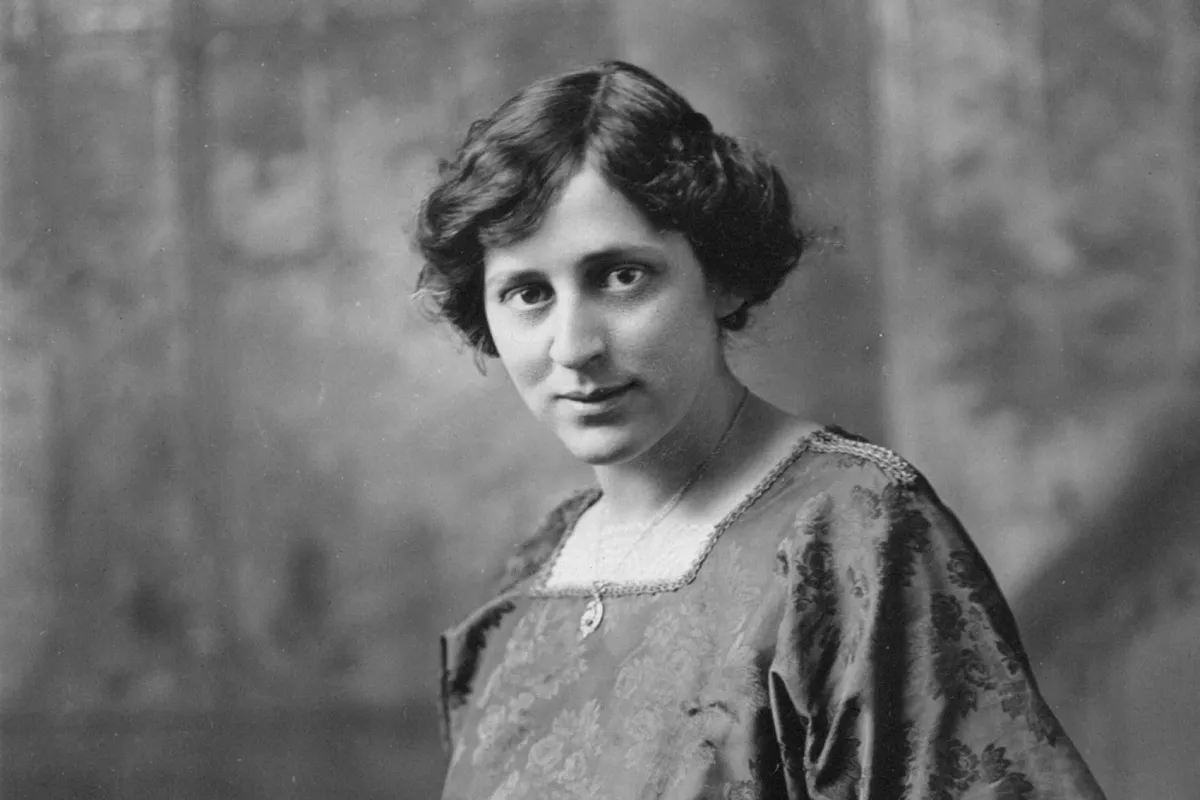 Photo: Crystal Eastman, via www.thoughtco.com
What she understood was that workers were dying in preventable accidents at staggering rates, and that nobody in power had bothered to count the bodies carefully enough to be embarrassed by the number.
Eastman counted them. Her 1910 report, Work-Accidents and the Law, became a foundational document in American labor policy and a direct catalyst for early workers' compensation legislation. The rage that had driven her to spend years documenting deaths that powerful men preferred to call inevitable turned out to be more rigorous than the indifference it was up against.
2. Alice Hamilton — The Doctor Who Wouldn't Stop Talking About Poison (1910s–1920s)
Alice Hamilton was told, repeatedly and by people with important titles, that she was exaggerating. The lead in the factories. The mercury in the workshops. The carbon monoxide in the tunnels. Surely it wasn't as bad as she claimed. Surely the workers would have said something if it were really a problem.
Hamilton pointed out, with the kind of patience that barely conceals fury, that workers couldn't say anything because they needed the jobs, and that the companies knew exactly what they were doing.
She became America's foremost authority on industrial toxicology. The field of occupational medicine — the entire scientific infrastructure that today governs what employers can legally expose their workers to — owes an enormous debt to a woman who was consistently described as overwrought for caring whether people got poisoned at work.
3. Fannie Lou Hamer — The Rage That Reached the Convention Floor (1964)
Fannie Lou Hamer was beaten in a Mississippi jail for trying to register to vote. When she stood before the credentials committee at the 1964 Democratic National Convention and described what had been done to her — calmly, in detail, without flinching — President Lyndon Johnson was so alarmed by the power of her testimony that he called an emergency press conference to pull cameras away from her.
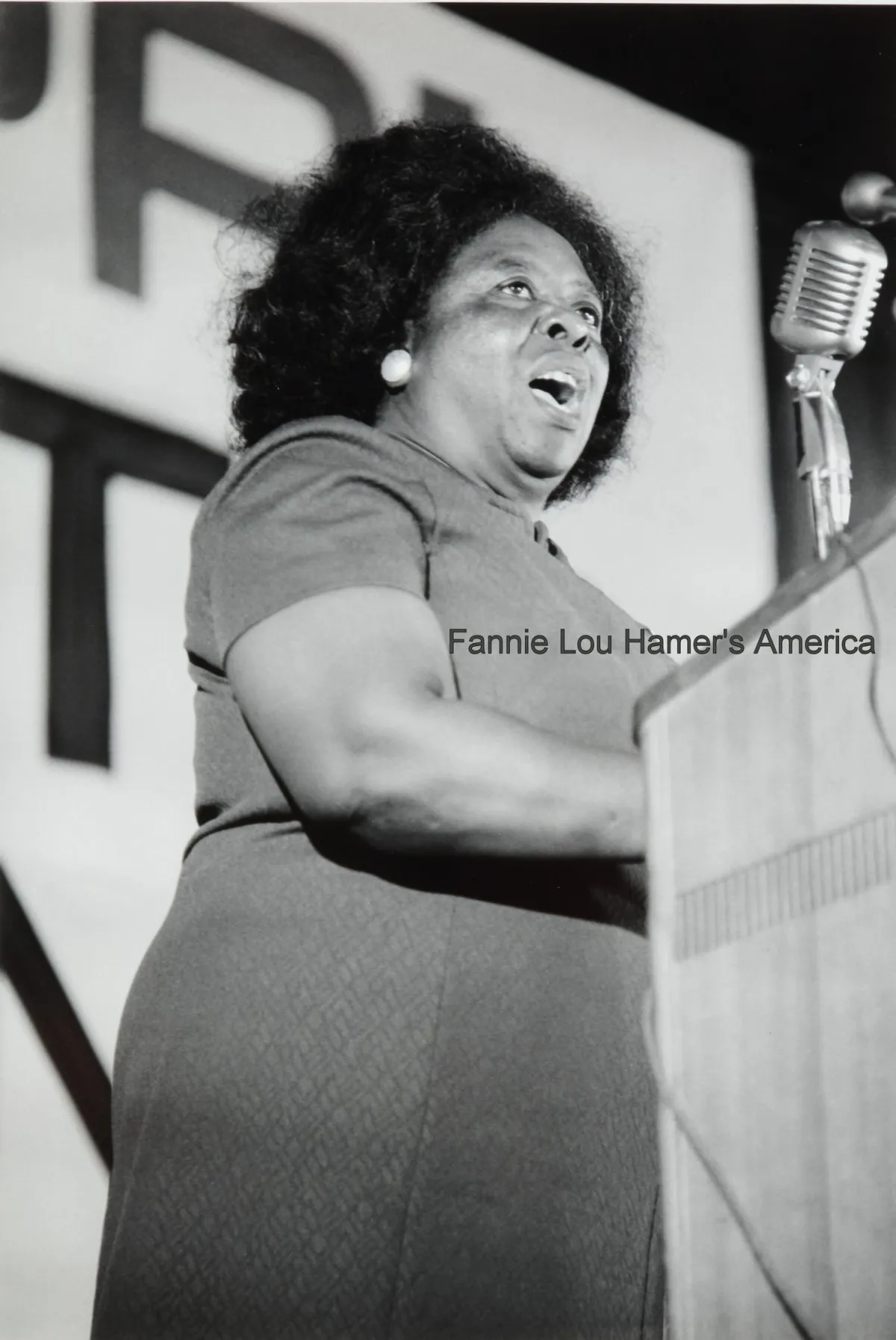 Photo: Fannie Lou Hamer, via images.squarespace-cdn.com
It didn't work. Her speech aired in full that evening.
Hamer was routinely described by political opponents as too emotional, too loud, too angry. She described herself as sick and tired of being sick and tired. The difference between those two descriptions is the difference between a woman being dismissed and a woman being understood.
Her activism directly influenced the Voting Rights Act of 1965.
4. Diane Nash — The Student Who Refused to Sit Down (1960s)
Diane Nash was twenty-two years old when she helped organize the Nashville sit-ins. When the mayor of Nashville tried to defuse the situation by asking the assembled students whether they truly believed it was wrong to discriminate against people based on the color of their skin, Nash walked up to him in front of the crowd and said yes. Directly. Without hedging.
She was called aggressive, confrontational, dangerous. She was a young Black woman asking a yes-or-no question in public, which in 1960 Nashville was treated as a provocation.
Nash went on to become one of the principal architects of the Freedom Rides and a foundational strategist of the civil rights movement. Her insistence on direct action over negotiation — the quality that made her opponents call her unreasonable — is exactly what made the movement impossible to ignore.
5. Jovita Idár — The Journalist Who Stood in Front of the Press (1914)
When Texas Rangers arrived to destroy the printing press of La Crónica, the newspaper where Jovita Idár worked and published blistering editorials about the lynching of Mexican Americans, she stood in the doorway and refused to move.
The Rangers left. They came back the next day when she wasn't there and destroyed the press anyway. But the image of a woman physically blocking state agents from silencing a newspaper is not a small thing.
Idár spent her life being told that her anger about racial violence was inappropriate, inflammatory, and counterproductive. She kept writing anyway. Her journalism helped document atrocities that official Texas history preferred to leave unrecorded, and her activism laid groundwork for civil rights organizing along the border that echoed for generations.
6. Dolores Huerta — The Negotiator They Tried to Call a Radical (1960s–1980s)
Dolores Huerta co-founded the United Farm Workers with César Chávez, but for decades she operated in a space where her anger — at poverty wages, at pesticide exposure, at the deportation of workers mid-strike — was used to paint her as extreme.
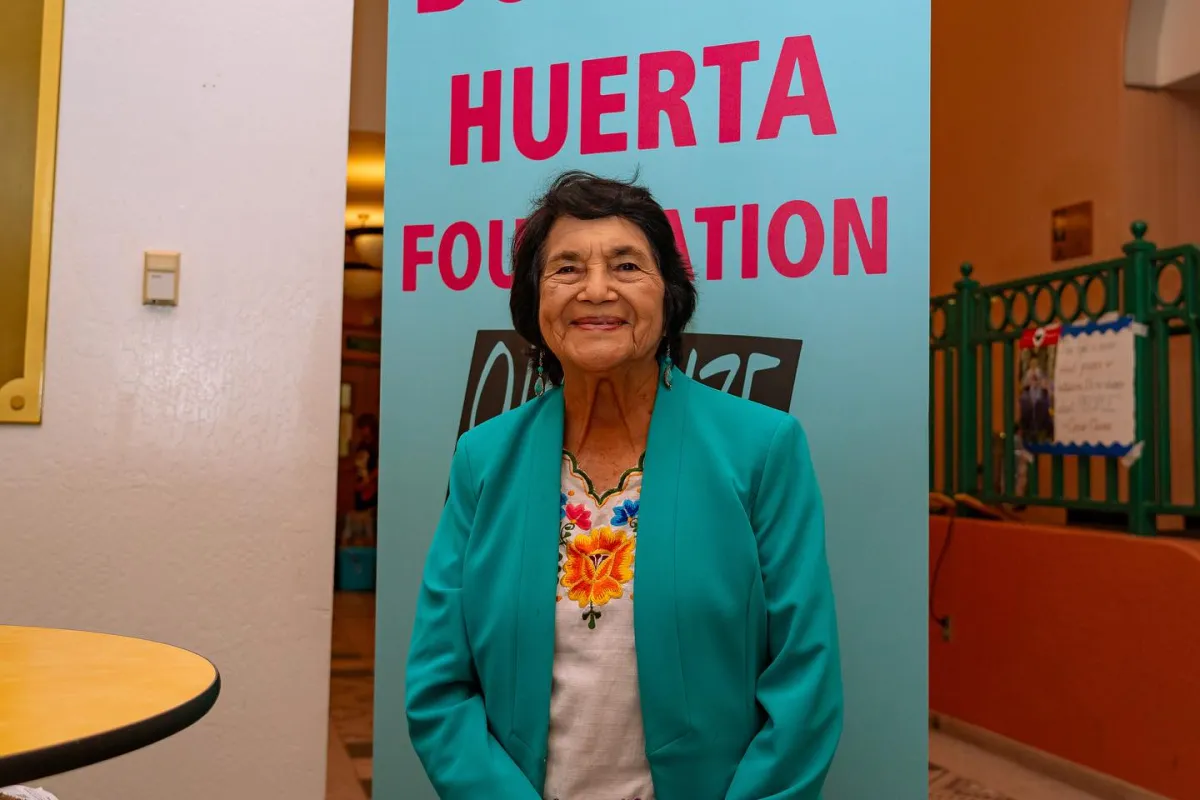 Photo: Dolores Huerta, via newsroom.ocde.us
She was audited by the IRS. She was beaten by San Francisco police at a 1988 protest, suffering a ruptured spleen and broken ribs. She was described by growers and their political allies as a communist agitator whose emotions made her an unreliable negotiator.
Huerta negotiated contracts that transformed labor conditions for hundreds of thousands of agricultural workers. She helped secure the Agricultural Labor Relations Act in California in 1975, the first law in the United States to grant farmworkers the right to collective bargaining. The anger that was supposed to disqualify her turned out to be exactly the right fuel for the distance she had to travel.
7. Anita Hill — The Woman Who Spoke Anyway (1991)
Anita Hill testified before the Senate Judiciary Committee in 1991 knowing that the room was not built for her. She was calm, precise, and detailed. She was called a liar, a fantasist, and — inevitably — angry. Not during her testimony, where her composure was unassailable, but in the days and weeks that followed, when the effort to discredit her required turning her into something other than a credible witness.
The confirmation of Clarence Thomas to the Supreme Court was not stopped by her testimony. But something else happened. Women across the country watched a composed, credible woman be systematically dismissed by a panel of men, and the fury that produced — the particular, clarifying fury of recognition — drove a historic wave of women to run for office in 1992, a year that reshaped the political landscape and directly accelerated the legislative path toward stronger workplace harassment law.
Hill's anger, and the anger her treatment inspired in millions of others, moved the country forward in ways the Judiciary Committee clearly did not anticipate.
The Emotion That Moved a Nation
There's a through line in every one of these stories. Each woman was told that her feelings were the problem. Each woman refused to accept that framing. And in each case, the anger that was used to dismiss her was the same energy that made her impossible to stop.
America has a complicated relationship with women's anger. It makes people uncomfortable. It gets called unprofessional, unhinged, unbecoming. What these seven lives suggest is that the discomfort is often the point — that the fury of someone who has been ignored long enough to really understand what's being ignored is one of the most reliable forces for change this country has ever produced.
They were told they were too angry.
They were exactly angry enough.