The Power of the Quiet Voice: Seven Introverts Who Rewrote America's Definition of Leadership

The Myth of the Loud Leader
American culture loves its bold leaders — the CEOs who dominate boardrooms, the politicians who work crowds, the generals who bark orders. But some of our most transformative leaders succeeded precisely because they rejected this model. They listened more than they spoke, observed before they acted, and built power through quiet persistence rather than charismatic showmanship.
Here are seven Americans who were dismissed early in life for being "too quiet" to lead, yet went on to change the world in ways their louder contemporaries never could.
1. Rosa Parks: The Secretary Who Sparked a Revolution
What they said about her: "Rosa's too shy for leadership roles. She'd rather take notes than make speeches."
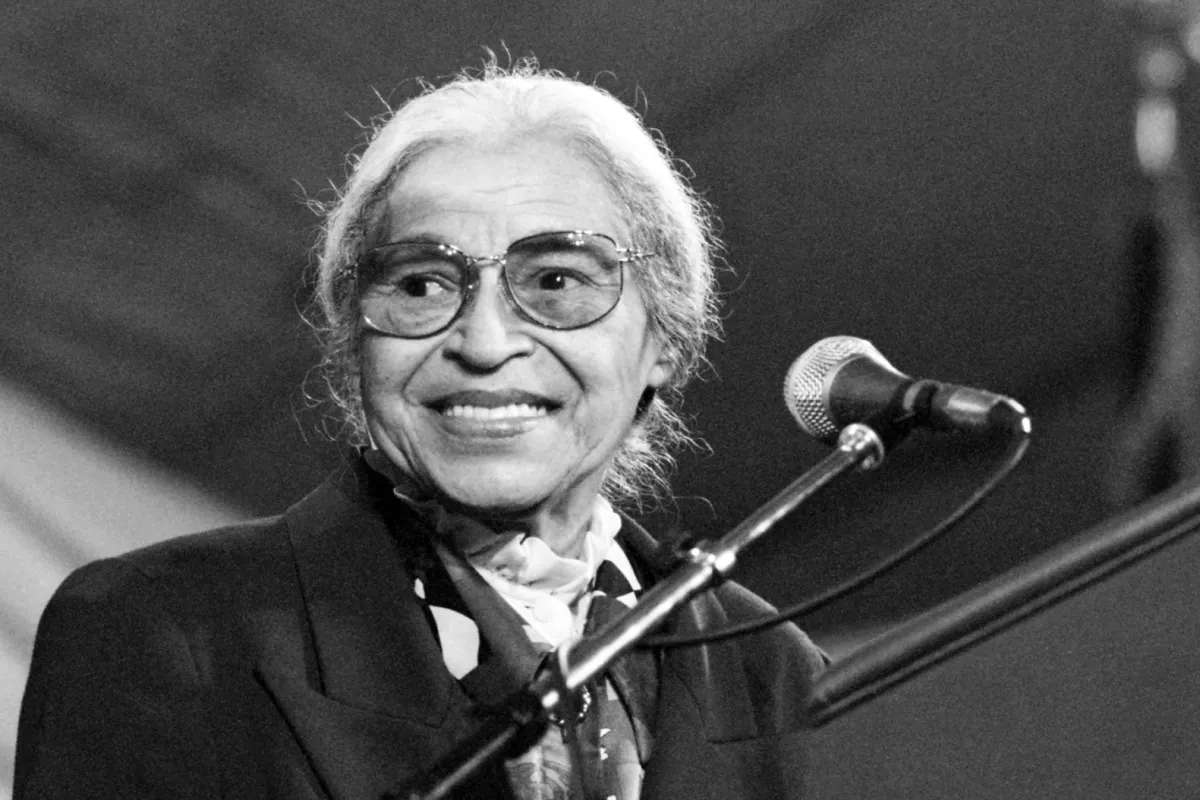 Photo: Rosa Parks, via www.rollingstone.com
What she actually did: Changed the course of American civil rights by refusing to give up her bus seat in Montgomery, Alabama.
Most people remember Rosa Parks as the tired seamstress who spontaneously decided not to move to the back of the bus. The truth is more complex and more powerful. Parks was a trained activist who had spent years quietly organizing in Montgomery's Black community, attending meetings, documenting injustices, and building networks of trust.
Her colleagues at the NAACP initially overlooked her for visible leadership positions because she seemed too reserved for public speaking. But Parks understood something her more outgoing peers didn't — that real change often starts with quiet preparation, not loud pronouncements. When the moment came for action, she was ready not because she was spontaneous, but because she had spent years listening, learning, and building the relationships that would sustain a year-long bus boycott.
"I was not tired physically," Parks later explained, "but I was tired of giving in." That quiet determination, built through years of careful observation and preparation, proved more powerful than any fiery speech.
2. Warren Buffett: The Awkward Kid Who Mastered Wall Street
What they said about him: "Warren's too awkward for sales. He should stick to research and stay away from clients."
What he actually did: Became one of the world's most successful investors by listening more than talking.
Young Warren Buffett was so terrified of public speaking that he enrolled in a Dale Carnegie course twice — and backed out both times before the first class. His early supervisors at investment firms worried he was too introverted to succeed in the relationship-driven world of finance.
But Buffett's introversion became his greatest asset. While other investors made flashy predictions and chased hot stocks, he spent his time quietly reading annual reports, studying businesses, and thinking deeply about long-term value. His famous investing philosophy — "be fearful when others are greedy and greedy when others are fearful" — emerged from his natural tendency to observe crowd behavior rather than join it.
Today, Berkshire Hathaway shareholders flock to Omaha each year to hear Buffett speak, but his real genius has always been in his ability to listen — to market signals, to business fundamentals, and to the quiet voice of rational analysis in a noisy financial world.
3. Katherine Johnson: The Computer Who Calculated America to the Moon
What they said about her: "Katherine's brilliant with numbers, but she's too quiet to present her work to important people."
 Photo: Katherine Johnson, via images.newscientist.com
What she actually did: Calculated the trajectories that put Americans in space and brought them home safely.
At NASA's Langley Research Center in the 1960s, Katherine Johnson was known as one of the "human computers" — mathematicians who performed complex calculations before electronic computers became reliable. Her supervisors appreciated her extraordinary mathematical abilities but worried she was too soft-spoken to defend her work in high-pressure meetings with engineers and astronauts.
They underestimated the power of quiet confidence. When John Glenn was preparing for his historic orbital flight, he specifically requested that Johnson double-check the electronic computer's calculations. "Get the girl to check the numbers," he said. "If she says they're good, then I'm ready to go."
Johnson's introversion served her well in a field that demanded precision over presentation. She didn't need to be the loudest voice in the room — she needed to be the most accurate. Her quiet persistence in double-checking calculations and her willingness to ask questions others were afraid to voice helped ensure that American astronauts made it home safely.
4. Steven Spielberg: The Shy Kid Who Learned to Direct by Watching
What they said about him: "Steven's too introverted for Hollywood. Directors need to command sets and manage big personalities."
What he actually did: Became one of the most successful directors in film history by creating intimate connections with actors and crew.
Young Steven Spielberg was so shy that he often communicated with actors through written notes rather than verbal direction. Studio executives worried that his quiet demeanor wouldn't work in Hollywood's ego-driven environment, where directors were expected to be larger-than-life personalities who dominated film sets.
Instead, Spielberg's introversion became his signature strength. His quiet, observational approach allowed him to notice details that more assertive directors missed. He built trust with actors by listening carefully to their ideas and creating collaborative environments rather than dictatorial hierarchies.
"I dream for a living," Spielberg once said. That dreaming happened in quiet moments of observation and reflection, not in loud brainstorming sessions. His greatest films emerged from his ability to watch human behavior closely and translate those observations into stories that resonated with millions.
5. Bill Gates: The Awkward Programmer Who Revolutionized Computing
What they said about him: "Bill's too socially awkward to run a company. He should focus on technical work and let someone else handle leadership."
What he actually did: Built Microsoft into one of the world's most valuable companies through careful strategic thinking.
In Microsoft's early days, Bill Gates was known for his intense focus on technical details and his uncomfortable demeanor in social situations. Business advisors suggested he hire a more charismatic CEO to handle public relations and strategic partnerships while he focused on programming.
Gates proved that leadership doesn't require traditional charisma. His introverted nature allowed him to dive deep into technical and strategic problems that required sustained concentration. While competitors made flashy announcements, Gates quietly studied market trends, anticipated technological shifts, and positioned Microsoft for long-term dominance.
His famous "Think Weeks" — periods when he would isolate himself to read and think about Microsoft's future — exemplified his belief that quiet reflection often produces better decisions than quick, confident responses.
6. Eleanor Roosevelt: The Insecure Young Woman Who Became America's Conscience
What they said about her: "Eleanor's too sensitive and self-doubting for public life. Political wives need confidence and social grace."
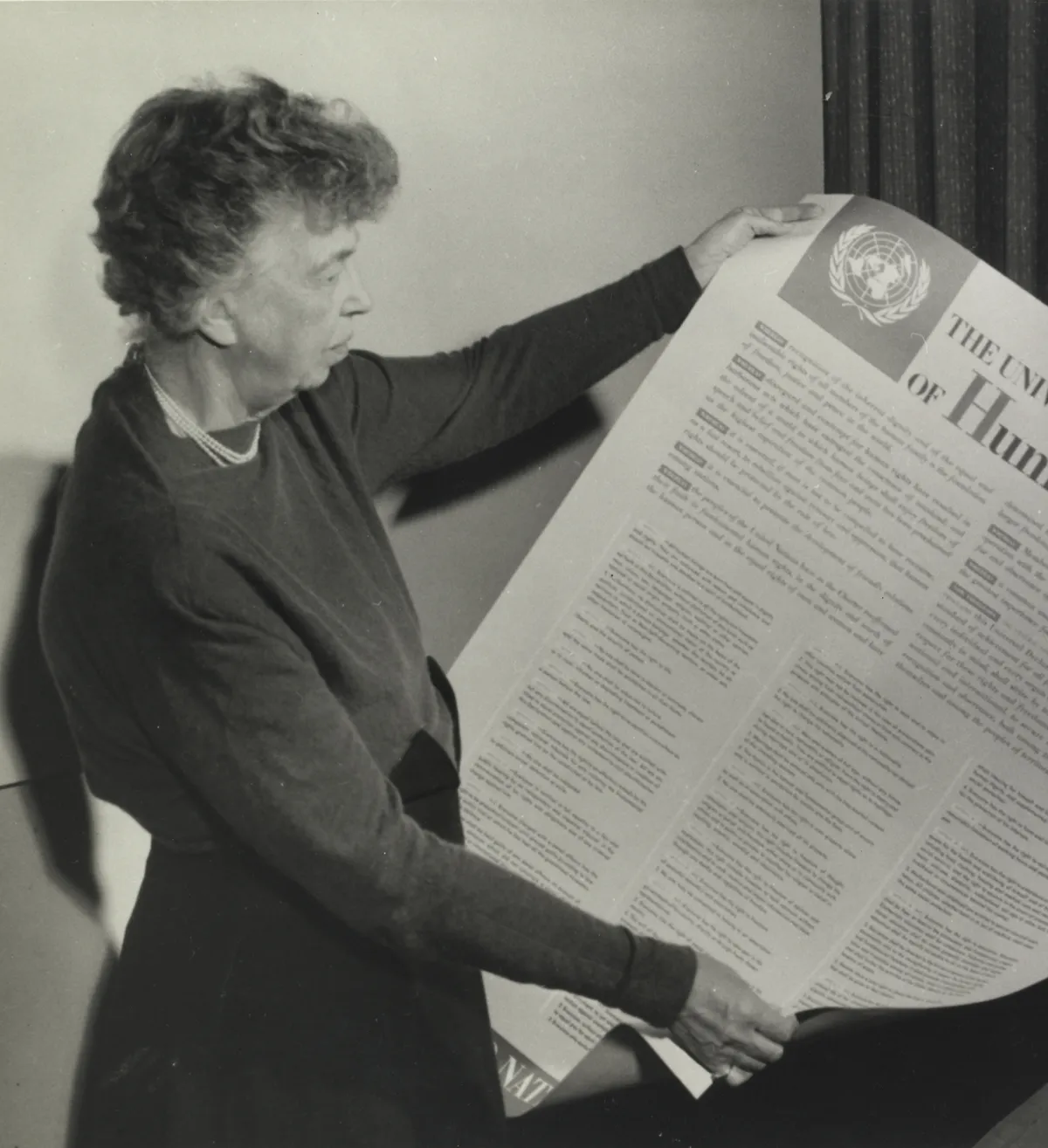 Photo: Eleanor Roosevelt, via www.fdrlibrary.org
What she actually did: Transformed the role of First Lady and became one of the most influential human rights advocates in history.
Eleanor Roosevelt described herself as an "ugly duckling" who was terrified of public speaking and convinced she had nothing important to say. Political advisors worried that her introspective nature and tendency toward self-doubt would make her a liability in her husband's political career.
But Roosevelt's sensitivity became her greatest strength as a public figure. Her deep capacity for empathy, born from her own experiences with insecurity and loss, allowed her to connect with Americans who felt forgotten by traditional politics. Her famous newspaper column "My Day" succeeded because it reflected the thoughtful observations of someone who listened carefully to ordinary people's concerns.
After Franklin's death, she channeled her quiet strength into chairing the UN Human Rights Commission, where her patient, methodical approach helped draft the Universal Declaration of Human Rights — a document that emerged not from bold proclamations but from careful listening to voices from around the world.
7. Steve Wozniak: The Engineer Who Quietly Launched the Personal Computer Revolution
What they said about him: "Woz is brilliant technically, but he's too shy to be a business leader. He needs a partner to handle the public-facing work."
What he actually did: Invented the technology that made personal computers possible while his partner got most of the credit.
Steve Wozniak was the quiet genius behind Apple's early success, content to work alone in his garage while Steve Jobs handled marketing and media attention. Business observers assumed that Wozniak's introverted nature made him unsuited for leadership in the fast-moving technology industry.
What they missed was that Wozniak's quiet, methodical approach was exactly what the personal computer revolution needed. While others made grand predictions about the future of computing, Wozniak focused on solving practical problems — how to make computers smaller, more affordable, and easier to use.
His greatest innovations emerged from patient tinkering and careful observation of what users actually needed, not from flashy presentations or bold marketing claims. The Apple II computer succeeded because Wozniak had quietly listened to what ordinary people wanted from technology, then built it with meticulous attention to detail.
The Quiet Revolution
These seven leaders succeeded not despite their introversion, but because of it. They understood that real leadership often happens in quiet moments — listening to customers, observing market trends, building relationships, and thinking deeply about complex problems.
In our age of social media and constant self-promotion, their stories offer a different model of success. Sometimes the most powerful voice in the room is the one that speaks last, after everyone else has been heard. Sometimes the most effective leaders are those who ask better questions rather than provide louder answers.
The next time someone tells you to "speak up" or "be more assertive," remember these quiet revolutionaries. They changed the world not by commanding attention, but by paying attention — to details others missed, to voices others ignored, and to possibilities others couldn't see.
In a culture that often mistakes volume for value, they proved that the quietest leaders sometimes make the loudest impact.