"Fine, I'll Do It": The Reluctant Americans Who Said Yes When Everyone Else Looked Away
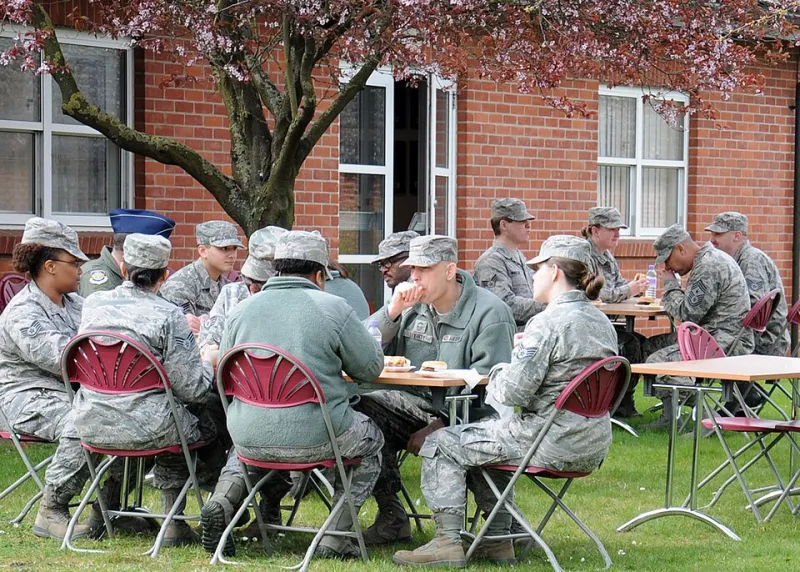
Photo: Gina Randall, Public domain, via Wikimedia Commons
We love the myth of the born hero — the person who trains their whole life for the moment. But spend any time with actual history and you meet a different character: the person who was drafted by events. Who didn't want the job. Who would have happily lived and died in total anonymity if someone, anyone, else had just stepped up.
Here's the opinion I'll defend: the most important word in American history might be a reluctant "fine, I'll do it."
The Seamstress Who Just Wanted to Get Home
Rosa Parks is remembered as a deliberate act of defiance, and in December 1955 it was — she knew exactly what she was doing. But it's worth remembering who Parks was before that bus ride: a 42-year-old seamstress, tired after a long day of work, who had spent years doing unglamorous NAACP paperwork, recording testimonies, doing the administrative labor nobody else wanted. She wasn't looking for a movement. She was looking for a seat on the bus home. When the moment came, she made a quiet calculation that she'd rather be arrested than give it up. The rest of her life — the death threats, the unemployment, the move to Detroit — wasn't something she sought. It was the price of not moving.
The Engineer Who Couldn't Unsee It
Daniel Ellsberg didn't want to leak the Pentagon Papers. In fact, for years he was an insider — a Marine, a defense analyst, a man trusted with the government's most secret assessments of the Vietnam War. The documents sat in his safe for months while he wrestled with what to do. He lobbied senators to release them. Nobody would. And so, in 1971, a man who had spent his career inside the system photocopied seven thousand pages and handed them to the press, knowing prison was a plausible outcome. "I was the only one," he later said, of who had access and a conscience at the same time. That's not ambition. That's arithmetic.
The Nurse Who Stayed When the Ambulance Left
Scale down from history books to small towns, and the pattern repeats everywhere. Think of the rural nurses and EMTs across America who become, by default, the entire medical infrastructure of their communities — the person who shows up at 2 a.m. because there is no one else. Nobody writes songs about them. But ask them why, and the answer is almost always the same shrug: someone had to.
Why Reluctance Might Be the Point
There's a reason the reluctant ones so often turn out to be trustworthy. People who chase the spotlight are, at least sometimes, chasing the spotlight. People who step up only because no one else will are responding to the situation, not their own ego. The hesitation itself is a kind of proof: they understood exactly what it would cost, and they paid it anyway.
So the next time you're in a room where everyone's looking at their shoes — a broken process at work, a neighbor who needs help, a wrong that everyone agrees is wrong but no one will touch — remember how most extraordinary lives actually start. Not with a trumpet. With a sigh, a step forward, and four words: fine, I'll do it.