The Education Nobody Planned
Maria Santos never intended to become one of America's leading environmental health researchers. For twenty years, she simply needed the work. Armed with a mop, a bucket, and broken English, she cleaned houses across suburban Connecticut, earning $40 a day to support her three children after her husband left.
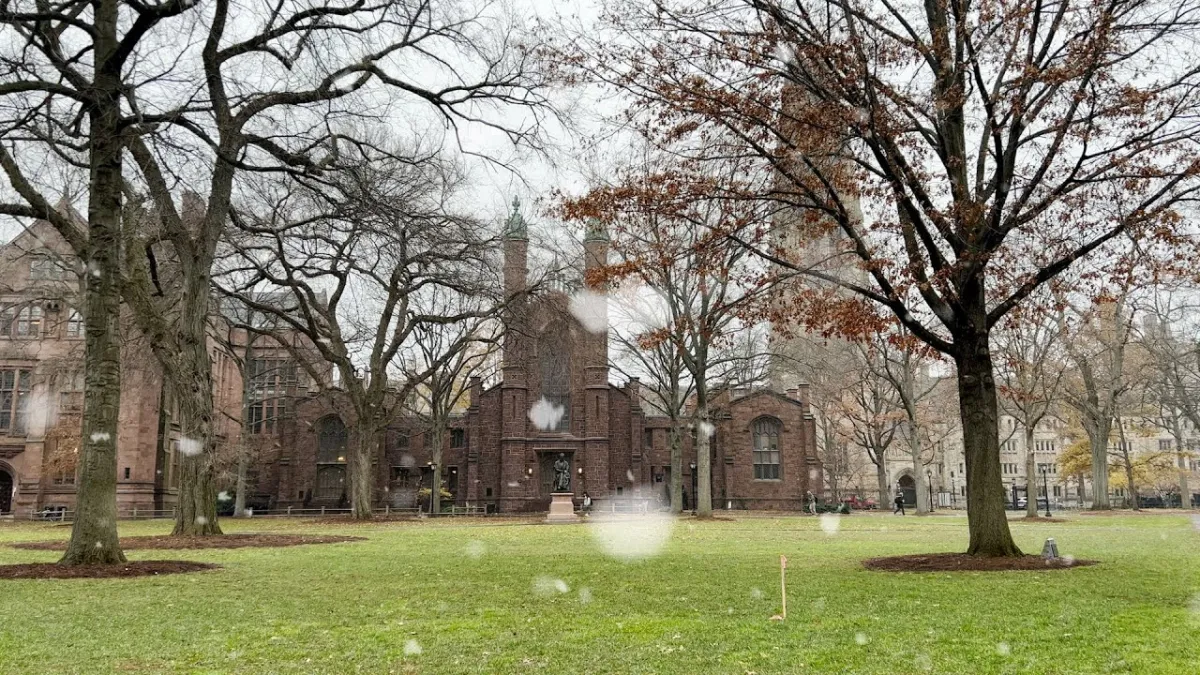 Photo: Yale School of Public Health, via files-profile.medicine.yale.edu
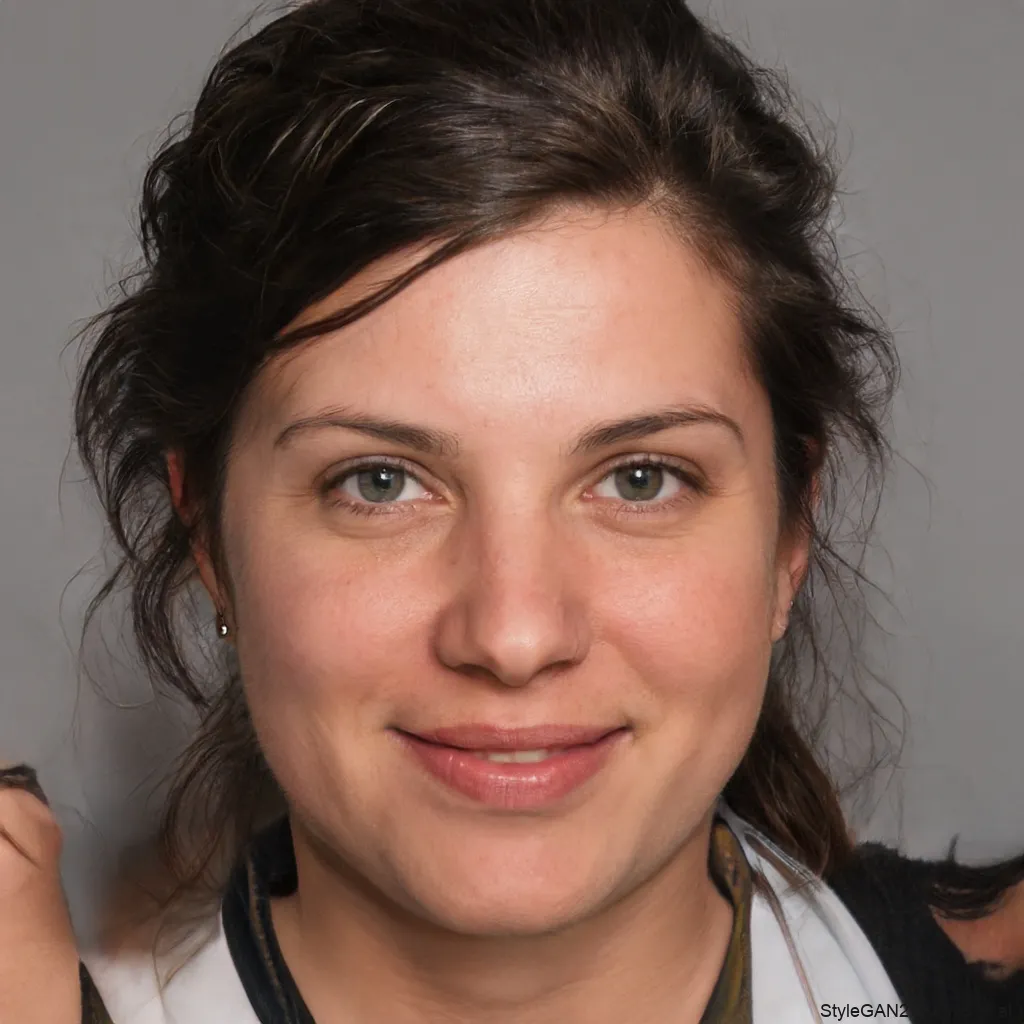 Photo: Maria Santos, via www.testpoint.com
But Maria was watching. In the McMansions of Westport and the colonials of Greenwich, she noticed patterns that would escape trained scientists for decades. Children with persistent coughs in homes with new carpeting. Families plagued by headaches in houses with fresh paint. Women developing rashes after their husbands installed new kitchen cabinets.
"I see the same thing, house after house," Maria would later recall. "Rich people getting sick in their beautiful homes, and nobody asking why."
The Invisible Classroom
While environmental scientists studied air quality from laboratory benches, Maria was getting a different kind of education. She spent eight hours a day in these homes, breathing what the families breathed, touching what they touched. She watched children play on floors she'd just cleaned with industrial-strength chemicals. She saw mothers nursing babies in rooms thick with furniture polish fumes.
The wealthy families she worked for trusted her with their homes but rarely saw her as anything more than invisible help. They discussed their health problems openly while she dusted around them—chronic fatigue, mysterious allergies, children's behavioral issues that doctors couldn't explain.
"They talk like I'm not there," Maria remembered. "But I'm listening. I'm always listening."
Her breakthrough observation came in 2003, in a Darien mansion where she'd worked for three years. The family's youngest son had developed severe asthma shortly after they renovated the basement into a playroom. The doctors blamed genetics. The parents blamed bad luck. But Maria had watched the renovation happen, had cleaned around the new synthetic carpeting, the foam padding, the pressed-wood shelving that filled the windowless room with a sweet, chemical smell.
When Curiosity Becomes Calling
Most people would have simply noted the connection and moved on. Maria started keeping a notebook. In careful Spanish, she recorded what she observed: which chemicals were used where, which families got sick when, which symptoms appeared in which rooms. She didn't have scientific training, but she had something more valuable—unlimited access to the crime scene.
Her children, now in high school, helped translate her observations into English. Her daughter Carmen, bound for college, encouraged her mother to reach out to researchers at Yale's School of Public Health, just thirty minutes away.
"My mom always said the houses were making people sick," Carmen explains. "But nobody believed the cleaning lady."
The Laboratory in Every Living Room
Dr. Jennifer Hayes at Yale initially dismissed the call from Maria Santos. But something about the woman's detailed observations intrigued her. Maria wasn't just reporting random symptoms—she was describing systematic patterns that aligned with emerging research on volatile organic compounds and indoor air pollution.
Their first meeting changed everything. Maria arrived with three years of meticulous notes, photographs she'd secretly taken of chemical storage areas, and a map of Connecticut suburbs color-coded by the health problems she'd observed. She had, without realizing it, conducted the most comprehensive long-term study of indoor environmental health that anyone had ever seen.
"She had data we could never have collected," Dr. Hayes admits. "She had intimate, daily access to dozens of homes across different socioeconomic levels. She knew these families' medical histories, their renovation schedules, their cleaning routines. It was epidemiologist gold."
The Unlikely Scientist
At age 45, Maria Santos enrolled in community college. At 48, she transferred to Southern Connecticut State University. At 52, she earned her bachelor's degree in environmental science, graduating summa cum laude. Her thesis, "Domestic Chemical Exposure and Respiratory Health in Suburban Populations," became the foundation for her master's work at Yale.
Her research revealed that indoor air pollution in American homes often exceeded outdoor levels by two to five times. The chemicals she'd been breathing—and that families had been living with—included formaldehyde from furniture, benzene from cleaning products, and a cocktail of volatile organic compounds that created what she termed "domestic chemical syndrome."
The families she'd once cleaned for were shocked to discover their former housekeeper had become Dr. Maria Santos, publishing papers in environmental health journals and testifying before Congress about indoor air quality standards.
Changing the Air We Breathe
Dr. Santos's work influenced the EPA's 2009 revision of indoor air quality guidelines and led to stricter regulations on household chemical labeling. Her "Santos Protocol"—a method for identifying chemical exposure patterns in residential settings—is now taught in environmental health programs nationwide.
But perhaps her greatest contribution was demonstrating that proximity to problems, not pedigree, often produces the most important insights. While researchers studied air quality from the outside, Maria had been living inside the data for twenty years.
"Science happens everywhere," she tells her students at Yale, where she now teaches. "Sometimes the best laboratory is the place you clean every day."
Today, Dr. Santos runs the Yale Center for Domestic Environmental Health, a research facility that studies indoor pollution's impact on families. Her team includes former housekeepers, nannies, and home health aides—people whose daily work gives them access to insights that traditional researchers miss.
She still keeps a mop in her office, not as a memento, but as a reminder: the most important discoveries often come from the most overlooked places, observed by the most invisible people.